

In today’s digital landscape, businesses cannot afford to have their websites go down or become unresponsive. The solution to this challenge is load balancing, which distributes incoming traffic across multiple servers to ensure optimal performance. However, businesses need to choose between hardware-based or software-based load balancing solutions, each with its own benefits and drawbacks. In this article, we will explore the differences between these two approaches and highlight why RELIANOID is the undisputed expert provider of both.
Hardware Load Balancing Solutions
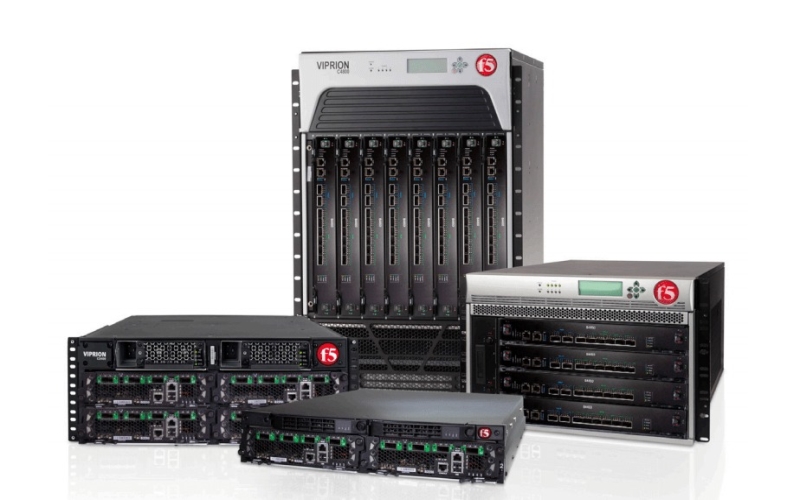
Hardware load balancing solutions consist of physical appliances that sit between the internet and the servers. These specialized devices use dedicated hardware to distribute incoming traffic across multiple servers based on various algorithms, such as round-robin, least connections, or IP hash.
Key Advantages of Hardware Load Balancers:
- Performance and Reliability: Hardware load balancers are designed to handle high traffic volumes, offering greater performance and reliability than software-based solutions. Their dedicated resources ensure faster processing and response times.
- Advanced Features: They typically come with features such as SSL offloading, content caching, and advanced security capabilities, including DDoS protection, which enhances overall system security.
- Centralized Management: Hardware solutions offer centralized management and monitoring capabilities, making it easier for IT teams to manage web traffic effectively.
Considerations:
- Cost: Hardware load balancers tend to be more expensive upfront due to the physical devices and associated maintenance costs.
- Flexibility: Their hardware-based approach makes them less flexible than software solutions, as scaling may require additional hardware investments.
Software Load Balancing Solutions
Software load balancing solutions are applications that run on standard servers, utilizing the server’s processing power to distribute incoming traffic across multiple servers.
Key Advantages of Software Load Balancers:
- Cost-Effectiveness: Software load balancers are generally more affordable and can run on existing server infrastructure, making them a cost-effective option for many businesses.
- Flexibility and Scalability: They can be easily deployed, scaled up or down, and adapted to meet changing business requirements, providing the flexibility that modern enterprises need.
- Feature-Rich: Software solutions often offer essential features such as SSL offloading, content caching, and Web Application Firewall (WAF) capabilities.
Considerations:
- Performance Limitations: While software load balancers are versatile, they may not provide the same level of performance, reliability, and security as their hardware counterparts, especially for large enterprises with complex web traffic needs.
- Resource Utilization: Since they rely on the server’s resources, performance may degrade during high traffic periods if the underlying hardware is insufficient.
RELIANOID: The Expert Provider of Both Solutions
RELIANOID is a leading provider of load balancing solutions, offering both hardware and software options to meet the diverse needs of businesses.
- Hardware Load Balancers: RELIANOID’s hardware solutions are engineered to handle high traffic volumes, providing superior performance, reliability, and security. They come equipped with advanced features like SSL offloading, content caching, and DDoS protection, making them ideal for large enterprises with demanding web traffic requirements.
- Software Load Balancers: RELIANOID’s software solutions cater to small and medium-sized businesses with limited budgets. They deliver essential features such as SSL offloading, content caching, and WAF, enabling businesses to effectively manage their web traffic. Additionally, these software load balancers are easily scalable, allowing businesses to adjust their resources based on demand.
Final Thoughts
Choosing between hardware and software load balancing solutions depends on various factors, including business requirements, budget constraints, and scalability needs. While hardware load balancers offer greater performance, reliability, and security, they come at a higher cost and may lack flexibility. In contrast, software load balancers are more cost-effective and adaptable, making them suitable for smaller enterprises.
RELIANOID stands out as the undisputed expert provider of both solutions, offering businesses the flexibility and scalability needed to ensure their websites remain available and responsive at all times. By assessing their specific needs, organizations can leverage RELIANOID’s expertise to implement the right load balancing solution for their infrastructure.
