

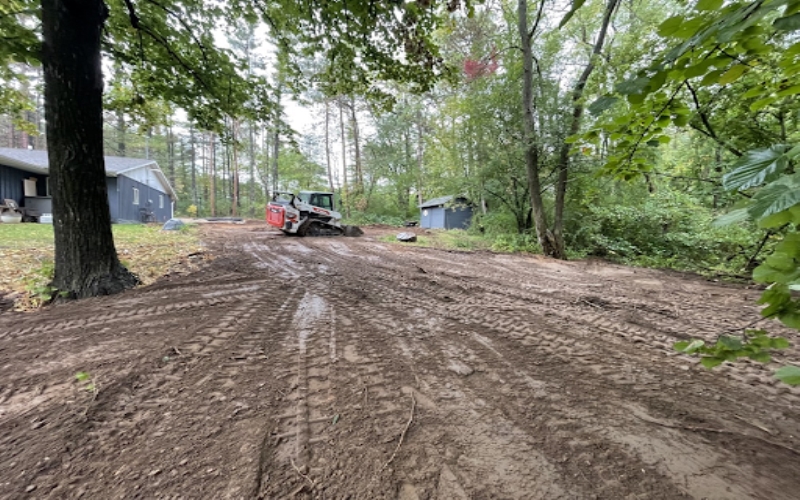
Land clearing is a crucial process for property development, agricultural use, and ecological management. Whether you’re a landowner preparing a site for a new home, a property developer shaping the landscape for your next project, or an environmentalist working to restore local habitats, the timing of your land-clearing project can significantly impact its success.
When is the ideal time? That answer depends on various factors, including environmental considerations, the types of vegetation, and local climate conditions. This guide will help you understand the best time of year for land clearing services while emphasizing sustainable practices and real-world insights.
Why Land Clearing Matters
Land clearing services a variety of purposes depending on the stakeholders involved:
- Landowners: Clearing overgrown vegetation or trees allows for new construction, landscaping, or expanded use of property.
- Property Developers: For large-scale projects, land clearing is one of the first steps in transforming a raw plot into a functional and profitable space.
- Environmentalists: At times, land clearing is performed to restore balance in ecosystems, remove invasive species, or reduce wildfire risks.
However, this impactful process brings challenges and risks, particularly environmental ones, which we’ll explore next.
Environmental Considerations for Land Clearing
Land clearing, while often necessary, has a profound impact on the environment. When not done thoughtfully, it can lead to soil erosion, loss of biodiversity, and disruption of natural water cycles. For this reason, it is essential to approach the process with sustainability in mind. Before starting a land-clearing project, you should evaluate the potential consequences for local flora and fauna and consider strategies to minimize harm.
One important factor is the nesting season for wildlife. Birds, for instance, may build nests in trees and shrubs that are marked for removal. Clearing land during nesting periods can disturb these habitats and affect the local ecosystem. It’s also vital to identify and protect any endangered species that may be present in the area.
Additionally, soil health can be compromised if land clearing is done during periods of heavy rainfall, which increases the risk of erosion and nutrient loss. Timing the project to avoid excessively wet conditions can help maintain soil stability and preserve its ability to support future use, whether for agriculture, construction, or natural restoration.
To minimize negative effects, sustainable land-clearing methods are essential. Here are a few recommended practices:
Best Practices for Sustainable Land Clearing
- Selective Clearing: Remove only the vegetation that needs to go, preserving as much of the landscape as possible.
- Replanting: Offset vegetation removal by planting trees and shrubs in designated areas.
- Erosion Control: Avoid bare, exposed soil by planting cover crops or using erosion-prevention measures, like silt fences or mulch.
- Biodegradable Methods: Use environmentally friendly machinery or eco-friendly chemicals for clearing brush and weeds.
- Hire Professionals: Partner with companies offering sustainable land-clearing services to ensure the best long-term outcomes.
The environmental consequences underscore the importance of determining the right time to clear land—this is where timing and nature go hand in hand.
Factors to Consider When Choosing the Best Time for Land Clearing
Timing is a crucial element that can determine the efficiency and environmental impact of land-clearing projects. Here are the key factors to weigh when selecting the best time of year for clearing land:
1. Seasonal Weather Conditions
The weather plays a significant role in land-clearing operations. For example, during dry seasons, the soil is less likely to turn into muddy terrain, making it easier for heavy machinery to operate and reducing the risk of soil compaction. Conversely, wet seasons may make clearing more challenging but could also be advantageous for areas requiring erosion control, as planting cover crops or grasses can yield better results in moist soil.
2. Vegetation Type
The type of vegetation being cleared affects timing. Trees and shrubs typically have differing characteristics across seasons, with some being easier to remove when dormant, such as in fall or winter. This is especially applicable to deciduous plants, which lose their leaves during colder months, allowing for clearer visibility and access.
3. Wildlife Activity
Local wildlife must also be considered to avoid disturbing ecosystems unnecessarily. Clearing land during nesting or breeding seasons can disrupt animal populations and their natural habitats. Researching and planning land-clearing projects with wildlife patterns in mind fosters a more sustainable approach while reducing ecological risks.
4. Legal and Permitting Requirements
Certain regions may enforce seasonal restrictions or permit requirements for land clearing, particularly in environmentally sensitive areas. Laws governing deforestation, water quality protection, and wildlife conservation might dictate the timing for land clearing. Always check with local authorities to ensure compliance with regulations.
5. Purpose of Land Clearing
The end goal of the land-clearing project also influences its timing. For instance, clearing land for agricultural purposes is best done before the growing season begins, while preparation for construction projects should align with development schedules.
By carefully evaluating these factors, you can determine the most effective and responsible time to proceed with your land-clearing efforts. Next, we will explore specific seasonal recommendations for land clearing.
Seasonal Recommendations for Land Clearing
The ideal time for land clearing often depends on the season and the specific conditions it brings. Different seasons offer distinct advantages and challenges that may align with your project’s objectives. Below are general recommendations for clearing land during each season to help guide your planning process:
Spring
Spring is a season of growth, which can make land clearing more complicated due to dense, blooming vegetation. However, it can also be advantageous if the cleared area is immediately intended for planting or other agricultural activities, as optimal soil conditions often coincide with spring. Keep in mind that this season is a peak period for wildlife activity, including nesting and breeding, so it’s crucial to plan operations carefully to avoid harm to local ecosystems.
Summer
Summer tends to offer dry weather in many regions, which is ideal for operating heavy machinery and reducing soil compaction. The increased daylight hours provide longer working days, allowing projects to progress quickly. However, the risk of wildfires is higher in dry areas during summer, so caution must be exercised when using equipment or burning cleared vegetation. Implementing fire prevention measures is essential to ensure safety.
Fall
Fall is often considered the best season for land clearing in many areas. Cooler weather reduces the strain on workers and machinery, and deciduous trees begin losing their leaves, making it easier to assess and remove vegetation. The dormant state of many plants and lower wildlife activity further minimize ecological disruption. Fall is also an excellent time to prepare land for winter or for planting in the following spring.
Winter
Winter can be an effective time for land clearing, especially when the ground is frozen. Frozen soil provides a stable surface for machinery, preventing deep ruts and compaction. The absence of foliage on trees and shrubs allows for improved visibility and access to the land. Additionally, many wildlife species are less active during winter, reducing risks to their habitats. However, in areas with heavy snowfall or extreme cold, winter weather may pose logistical challenges and slow down progress.
Implementing a Planning Strategy
Before starting your land-clearing project, create a detailed plan that integrates timing, environmental considerations, and project goals. Collaborate with professionals when necessary and follow local guidelines to ensure compliance and sustainability. By tailoring your approach to the season and adhering to best practices, you can execute a successful land-clearing project that meets your needs while respecting the surrounding ecosystem.
Responsible Land Management Makes a Difference
Whether you’re clearing land for a new venture or improving existing property, considering the timing of the work offers tremendous advantages. Aligning your project with seasonal factors ensures efficiency, minimizes environmental harm, and complies with local regulations.
At its core, successful land-clearing projects combine thoughtful timing, professional care, and sustainable practices. With expert insights and environmentally friendly methods, you can ensure your cleared land is ready for its next chapter.
Tools and Techniques for Effective Land Clearing
Choosing the right tools and techniques is critical for ensuring a successful land-clearing project. The methods you employ will depend on the size of the project, the type of vegetation, and your end goals. Below are some commonly used tools and approaches to consider:
1. Manual Tools
For smaller projects or precise clearing, manual tools such as chainsaws, axes, and machetes can be highly effective. These tools are ideal for removing individual trees, shrubs, or branches. While time-consuming, manual clearing offers greater control and minimal environmental impact compared to heavy machinery. It’s particularly useful in sensitive areas where maintaining surrounding vegetation is a priority.
2. Heavy Machinery
Larger projects often require the use of heavy equipment such as bulldozers, backhoes, and excavators. These machines are designed to efficiently clear large areas of land by uprooting trees, removing stumps, and clearing debris. Skid steer loaders with specialized attachments can also be used for tasks like grinding stumps or mulching vegetation. While heavy machinery can expedite the process, careful operation is essential to avoid unnecessary soil disturbance and damage to surrounding ecosystems.
3. Controlled Burning
Controlled burning, or prescribed fire, is a technique used to clear vegetation and improve soil health by eliminating dead plant material and encouraging the growth of beneficial new plant life. This method should only be undertaken by trained professionals under strictly regulated conditions to prevent wildfires and ensure safety. Controlled burns are often used in agricultural areas or as part of land restoration efforts.
4. Chemical Methods
Herbicides and other chemical treatments can be applied to target invasive plants or unwanted vegetation. This technique is especially useful for large areas where manual removal is impractical. However, it’s vital to use environmentally safe chemicals and follow local regulations to minimize harm to surrounding vegetation, water sources, and wildlife.
5. Mulching and Chipping
Mulching machines and wood chippers can help break down cleared vegetation into mulch, which can then be repurposed to enrich the soil. This method not only helps with waste management but also promotes sustainable practices by reducing the need to remove or burn debris.
6. Hand Clearing Techniques
For areas requiring delicate handling, such as maintaining historical sites or preserving significant natural features, hand clearing can be an effective approach. This method takes more time but allows for precision and reduces the impact on the surrounding environment.
7. Erosion Control Measures
After clearing land, it’s critical to implement erosion control strategies to stabilize the soil and prevent runoff. Techniques such as installing silt fences, planting cover crops, or adding mulch can help retain soil moisture and structure, ensuring the cleared land remains healthy and usable.
By selecting the most appropriate tools and techniques for your project, you can achieve efficient and environmentally responsible results. Balancing productivity with sustainability is key to maintaining the long-term health and usability of the land.
Next, we will discuss post-clearing steps to prepare your land for future use.
Looking for Land Clearing Services or Advice?
If you’re planning a land-clearing project or want tailored advice, we’d love to hear from you. Share your experiences or questions in the comments below, or contact us directly for expert land clearing services guidance. Remember, responsible land management makes a difference – let us help you make the most of your cleared land. So, don’t hesitate to reach out for professional assistance and ensure that your land-clearing project is executed with care and sustainability in mind. Thank you for reading – we hope this guide has helped prepare you for a successful land-clearing venture! Happy clearing!
