

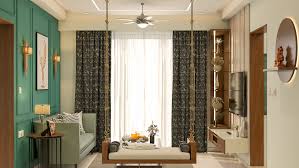
While colour and furniture layout may grab the most attention in interior design, textures are an unnoticed star waiting for their moment to shine. It’s the special element that can transform your home from simple to stunning. This guide delves into the realm of texture in interior design, examining its importance and providing useful advice on how to incorporate it into your own space.
Why is Visual Texture Important in Interior Design?
- Texture brings depth and dimension to a room, preventing it from feeling dull and uniform. They also help create a sense of motion and excitement in the room.
- Texture in a room can create a feeling of balance by juxtaposing various design elements. Pairing a rugged wooden coffee table with a modern, shiny armchair can create a balanced mixture that avoids any item dominating the room.
- Including soft, tactile textures can create a cosy and warm atmosphere, making a space feel more inviting and comfortable while encouraging relaxation and enhancing well-being.
- Various textures can designate different zones in an open layout, separating areas without using walls.
- Different textures can provoke emotional reactions, impacting our perception and interaction within a space. Smooth surfaces can give off a contemporary vibe, whereas rough textures can give off a rustic or natural feel.
- Textured surfaces can absorb sound, reducing echo and creating a more pleasant auditory environment.
Tips on Adding Texture to Your House
- Combine various fabric textures in your upholstery, curtains, and bedding for layering. Mix soft silks with textured linens or luxurious velvets with structured cotton for a luxurious, multi-dimensional appearance.
- Throw pillows and blankets for a simple and budget-friendly way to add texture to your living areas. Choose pillows adorned with stitching, tassels, or textures such as faux fur or thick knits.
- Add wooden, stone, or rattan furniture to introduce organic textures into your living space. Think about investing in a coffee table made from reclaimed wood, a fireplace surround made from stone, or accent armchairs crafted from woven rattan.
- Try out different wall coverings like textured wallpaper or grasscloth, or create a focal point with wood panelling or stone veneer instead of just painting the walls.
- Rugs are a great way to introduce texture to your floors. Select from choices such as shag, sisal, or hand-knotted wool rugs to enhance your decor theme.
- Use three-dimensional art pieces, tapestries, or mixed-media works to enhance the visual appeal of your walls.
- Blend various metal textures and finishes in your lighting fixtures, hardware, and decorative objects to achieve an elegant appearance.
- Plants that are alive not only clean the air but also bring a natural feel to your indoor spaces. Think about incorporating a range of leaf shapes and sizes to create the most textural effect possible.
- Combine sleek textures with rough ones for a visually compelling look. For instance, place a smooth glass vase on a rustic wooden console table.
- Incorporate texture into your upper surface using coffered ceilings, exposed beams, or different textured paint methods.
Concluding Thoughts
Texture is a powerful tool in interior design that can elevate your living spaces from average to exceptional. Understanding the significance of visual texture and utilising different methods to integrate it into your home can help you develop an immersive space that stimulates the senses and mirrors your unique taste. Whether you like a minimalist, contemporary look or a warm, traditional atmosphere, thoughtfully using texture can enhance your interior design and make your home visually appealing and inviting.
