

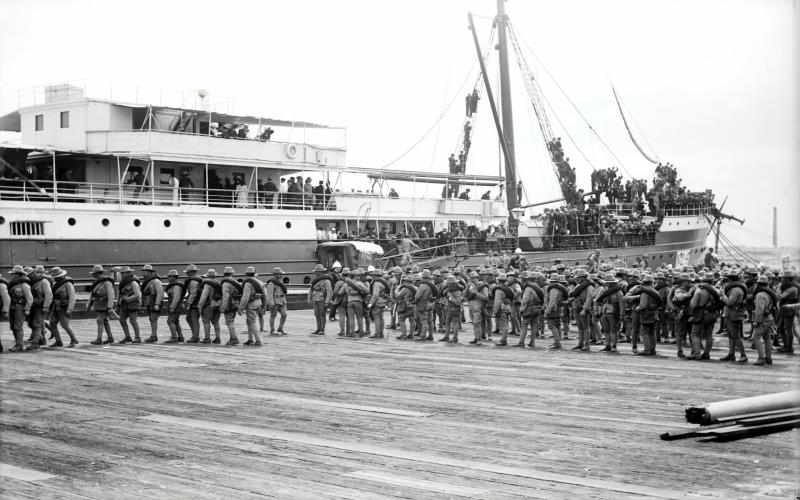
The Philippines’ history is marked by three significant foreign occupations: Spanish, American, and Japanese. Each period left a profound impact on the nation’s culture, politics, and society. Understanding these occupations provides a comprehensive view of the Philippines’ journey towards sovereignty and identity.
Spanish Colonization (1565-1898): Religion and Culture
The Spanish colonization of the Philippines began in 1565 with the arrival of Miguel López de Legazpi, establishing the first Spanish settlement in Cebu. This period lasted for over 300 years and had a lasting influence on Filipino culture, religion, and governance.
The Spaniards introduced Christianity, which remains a dominant religion in the country. Catholicism reshaped the social fabric, with churches becoming central to community life. Spanish missionaries played a crucial role in converting the native population, and today, the Philippines is the largest predominantly Catholic country in Asia.
Spanish colonial rule also brought about significant changes in governance. The Spaniards implemented a centralized system of government with the Governor-General at the helm. The encomienda system, which granted Spanish encomenderos control over land and local labor, led to exploitation and abuses, fueling resentment among the Filipinos.
Education during the Spanish era was primarily religious, focusing on the teachings of the Catholic Church. Spanish became the language of the elite and the educated, creating a divide between the ruling class and the masses.
The 19th century saw the rise of Filipino nationalism, fueled by the injustices and inequalities of Spanish rule. Figures like José Rizal and Andres Bonifacio emerged, advocating for reform and independence. The Philippine Revolution, which began in 1896, marked the culmination of these efforts. By 1898, following the Spanish-American War, Spain ceded the Philippines to the United States under the Treaty of Paris, ending over three centuries of Spanish rule.
American Occupation (1898-1946): Government and Friendship
The Spanish-American War of 1898 marked the end of Spanish rule in the Philippines. The United States emerged victorious, acquiring the archipelago as a territory. Initially, the Americans were welcomed by Filipinos who believed in the promise of independence. However, the Philippine-American War erupted in 1899 when the Filipino revolutionaries, led by Emilio Aguinaldo, resisted American occupation.
The conflict was brutal, with both sides committing atrocities. The war ended in 1902 with the capture of Aguinaldo, but the struggle for independence continued through various forms of resistance.
Despite the initial conflict, the American colonial period brought about significant changes. The Americans introduced English as the medium of instruction, modernized the education system, and established democratic institutions. Infrastructure development, public health programs, and the creation of a centralized government were also key achievements of this era.
The Philippines eventually gained independence in 1946, but the legacy of American colonialism remains evident in the country’s political, economic, and cultural landscape. Games like boxing, baseball and tongits go, a game that evolved at the end of World War II from American veterans. It follows similar rules to another rummy game called Tonk.
Japanese Occupation (1942-1945): War and Moving Forward
World War II brought a new chapter of suffering for the Philippines. In December 1941, Japan invaded the archipelago, swiftly defeating the American and Filipino forces. The three-year Japanese occupation was a period of immense hardship and brutality.
The Japanese imposed a puppet government headed by President Jose P. Laurel and exploited the country’s resources for the war effort. Filipinos endured widespread famine, forced labor, and human rights abuses. The infamous Bataan Death March, in which thousands of Filipino and American prisoners of war perished, is a dark chapter in the nation’s history.
The Japanese occupation left deep scars on the Filipino psyche. The experience of collective suffering forged a sense of national unity and resilience. The war also accelerated the country’s political maturation, as Filipinos united against a common enemy.
Conclusion
The Spanish, American, and Japanese occupations were defining moments in the Philippines’ history. While each period brought its own challenges and suffering, they also contributed to the shaping of the nation’s identity and laid the foundation for the Philippines as a modern, independent state.
