
Precision carries a different meaning on federal construction projects. Small errors that might seem minor on other jobs can create delays, additional costs, security concerns, or operational disruptions when government facilities are involved. Delivering work that meets exact specifications requires a culture built around accountability, preparation, and attention to detail long before construction activities begin.
Quality Expectations Begin Before Ground Is Broken
Successful federal projects do not wait until final inspections to think about quality. Standards are established during planning, design reviews, procurement decisions, and scheduling discussions so that every phase of the project follows a clear path toward compliance and performance goals.
Preparation helps eliminate uncertainty before crews arrive on-site. Nav Int focuses on identifying potential issues early, allowing project teams to address concerns while solutions remain simple and cost-effective rather than waiting until construction is underway.
Detailed Reviews Reduce Costly Field Corrections
Construction corrections often become more expensive once materials are installed. Careful examination of plans, specifications, and project requirements helps reduce misunderstandings that could lead to rework later in the process.
Experienced teams understand that reviewing documents thoroughly can save significant time in the field. Navigator International government construction projects frequently benefit from this proactive approach because federal requirements often contain extensive technical details that demand close attention.
Material Verification Supports Consistent Performance
Project quality depends heavily on the materials selected for construction. Even well-executed installation work can fall short if products fail to meet specifications or performance expectations.
Verification processes help ensure that approved materials arrive on-site and match project requirements. Careful tracking throughout procurement and delivery creates another layer of quality control before installation begins.
Field Inspections Occur Throughout Construction
Waiting until project completion to inspect work creates unnecessary risk. Regular inspections during active construction allow teams to identify deficiencies while work remains accessible and corrections can be completed efficiently.
Ongoing oversight also promotes accountability among all project participants. Frequent inspections help maintain quality standards from the first phase of construction through final project turnover.
Clear Communication Prevents Small Problems From Growing
Many construction defects begin with misunderstandings rather than technical failures. Incomplete information, unclear instructions, or missed updates can create challenges that affect quality if they are not addressed quickly.
Strong communication channels help project teams share information consistently. Nav Int emphasizes coordination among field personnel, subcontractors, project managers, and stakeholders to keep expectations aligned throughout the project lifecycle.
Workforce Training Reinforces Quality Standards
Construction quality depends on the people performing the work. Skilled personnel who understand project requirements and installation procedures contribute significantly to successful outcomes.
Continuous training helps maintain consistency across teams and projects. Workers who understand both technical requirements and quality expectations are better prepared to deliver work that meets federal standards.
Documentation Creates Accountability at Every Stage
Federal projects often require extensive documentation because records help verify compliance, track progress, and support future facility operations. Accurate reporting provides transparency throughout construction.
Documented processes also create accountability by showing how decisions were made and how work was completed. Detailed records become valuable tools for maintaining quality throughout the project.
Subcontractor Alignment Strengthens Overall Results
Large government projects frequently involve multiple subcontractors performing specialized tasks. Consistent quality becomes difficult to achieve when expectations vary between teams or disciplines.
Unified standards help create consistency across the entire project. Establishing clear requirements for every participant allows quality goals to remain aligned regardless of which company performs the work.
Corrective Action Happens Before Issues Multiply
No construction project is entirely free from challenges. The difference often lies in how quickly issues are identified and addressed before they affect additional work.
Prompt corrective action prevents isolated concerns from spreading into larger project-wide problems. Early intervention supports schedule performance while protecting overall construction quality.
Federal Compliance Requires More Than Technical Skill
Government construction projects involve specifications, regulations, security requirements, and operational standards that extend beyond traditional building practices. Meeting those expectations requires both construction expertise and procedural discipline.
Teams working in federal environments must understand how compliance influences daily project decisions. Attention to those requirements helps support successful inspections and project acceptance.
A Culture of Quality Drives Long-Term Success
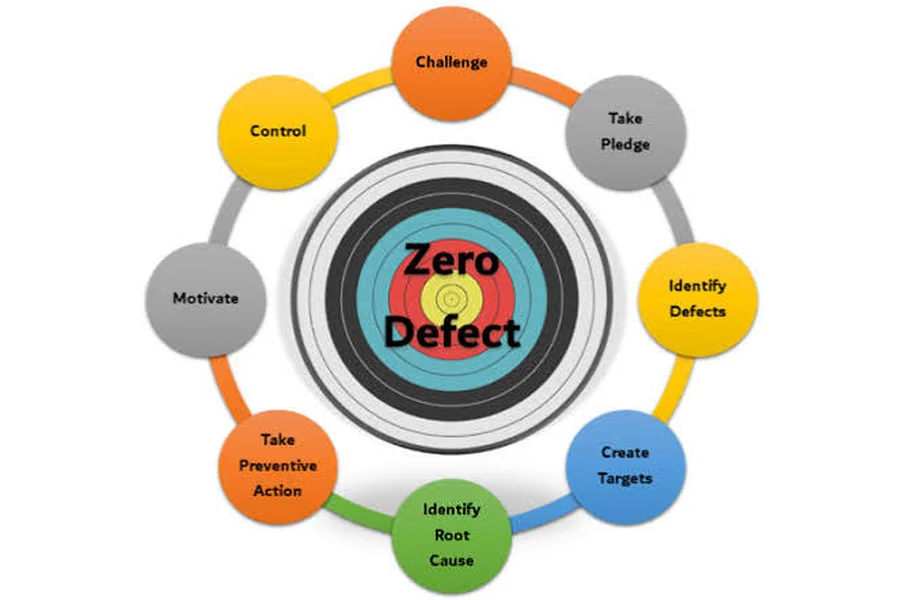
Zero-defect performance is rarely achieved through inspections alone. It develops from a mindset that treats quality as a responsibility shared by every person involved in the project, from planning through final turnover.
Organizations committed to continuous improvement often build stronger reputations over time because clients recognize the consistency of their results. Navigator International supports federal construction projects through disciplined quality management practices designed to reduce defects, improve project performance, and help facilities meet the demanding standards government agencies expect.
